You’re looking to understand the fundamentals of SEO, and that’s a smart move. In essence, mastering SEO for beginners boils down to a systematic approach to making your online content discoverable by search engines. Think of it as building a lighthouse for your website; without it, your vessel, no matter how well-crafted, might remain lost at sea. This article will walk you through the essential checklist, providing actionable steps and foundational knowledge to set you on the right path. We’ll explore core concepts, practical techniques, and common pitfalls, all designed to demystify the process and equip you with the tools to begin optimizing your digital presence effectively.
Understanding the Core Pillars of SEO
Before diving into specific tactics, it’s crucial to grasp the foundational principles that underpin all SEO efforts. These pillars are interdependent and collectively contribute to your website’s visibility. Neglecting one can undermine the strength of the others, much like a table needing all its legs to stand firm.
On-Page SEO: Optimizing Your Content Directly
On-page SEO refers to all the optimizations you can perform directly on your website to improve its ranking. It’s about making your content not only readable and valuable for users but also understandable and relevant for search engine crawlers. This is your immediate sphere of influence, where you have the most direct control.
Keyword Research: The Foundation of Discovery
- Identifying Relevant Keywords: This isn’t just about guessing what people might search for. It’s a strategic process of understanding your target audience’s language, intent, and the specific terms they use to find information, products, or services related to your niche. Tools like Google Keyword Planner, Ahrefs, Semrush, or even Google’s “People also ask” section can be invaluable here. You’re looking for a balance between search volume and competition. High volume, low competition keywords are the “gold nuggets.”
- Understanding Search Intent: Not all searches are equal. Someone searching “best running shoes” has different intent than someone searching “how to tie shoelaces.” Is the user looking for information (informational), trying to navigate to a specific website (navigational), or intending to make a purchase (transactional)? Aligning your content with the user’s intent is paramount for relevancy.
- Long-Tail Keywords: These are longer, more specific keyword phrases, often consisting of three or more words. While they typically have lower search volume, they often indicate higher user intent and face less competition. For example, instead of “shoes,” consider “best running shoes for flat feet marathon.”
Content Optimization: Making Your Words Work Harder
- High-Quality, Engaging Content: This is the bedrock. Search engines prioritize content that genuinely helps users. Your content should be comprehensive, accurate, well-researched, and engaging. Think of your website as a library; you want to stock it with well-written, informative books, not just empty shelves.
- Keyword Integration (Natural Usage): Once you have your keywords, integrate them naturally throughout your content. Overstuffing keywords (keyword stuffing) is a black-hat technique that search engines penalize. The goal is readability and flow for the user, with keywords subtly reinforcing the topic.
- Title Tags and Meta Descriptions: These are the first impressions in search results. Your title tag should be compelling, accurately describe the page’s content, and ideally include your primary keyword. Meta descriptions, while not a direct ranking factor, influence click-through rates (CTR) by providing a concise summary of the page.
- Header Tags (H1, H2, H3, etc.): These HTML tags structure your content, making it easier to read for both users and search engine crawlers. Your H1 tag should be your main heading, often mirroring your page title. H2s and H3s break down your content into logical sections, enhancing readability and providing opportunities for keyword inclusion.
- Image Optimization: Images can significantly impact page load times if not optimized. Compress images without sacrificing quality. Use descriptive alt text for images; this text describes the image to visually impaired users and provides context to search engines, also offering another opportunity for keyword integration.
Technical SEO: Ensuring Your Website is Search Engine Friendly
Technical SEO deals with the infrastructure of your website and how well search engines can crawl, index, and understand it. It’s like ensuring the foundations and plumbing of your house are sound before you worry about the interior decor.
Website Speed and Mobile-Friendliness: Essential for User Experience
- Page Load Speed: Slow websites frustrate users and can lead to higher bounce rates. Search engines prioritize fast-loading sites. Tools like Google’s PageSpeed Insights can help you identify and address performance bottlenecks. Factors include image optimization, browser caching, and minimizing code.
- Mobile Responsiveness: A significant portion of internet traffic now comes from mobile devices. Your website must adapt seamlessly to different screen sizes and orientations. Google operates on a mobile-first indexing principle, meaning the mobile version of your site is the primary one used for ranking.
Site Structure and Navigation: A Clear Path for Crawlers
- Logical Site Architecture: Organize your content in a clear, hierarchical structure. A well-organized site makes it easy for users to find what they’re looking for and for search engine crawlers to understand the relationships between your pages. Think of it as a well-organized library with clear sections and shelves.
- Internal Linking: Link relevant pages within your own website. This helps distribute “link equity” (PageRank) throughout your site, guides users to related content, and assists search engines in discovering new pages.
- XML Sitemaps: An XML sitemap is a file that lists all the important pages on your website, making it easier for search engines to find and crawl them, especially for new sites or those with complex structures.
- Robots.txt File: This file instructs search engine crawlers which pages or sections of your site they should or shouldn’t crawl. It’s important to use this judiciously to prevent valuable content from being blocked.
Building Authority with Off-Page SEO
Off-page SEO encompasses all the activities you undertake outside of your website to improve its ranking. Primarily, this involves building a strong backlink profile, which search engines interpret as a vote of confidence from other reputable websites. It’s like having well-known experts endorse your work.
Backlinks: The Currency of Trust
- Quality Over Quantity: Not all backlinks are created equal. A link from a highly authoritative and relevant website is far more valuable than dozens of links from low-quality or spammy sites. Think of it as receiving a referral from a respected professional versus a random person on the street.
- Relevance: The linking website should ideally be relevant to your industry or niche. A link from a cooking blog to a finance website might not carry as much weight as a link from another finance blog.
- Anchor Text: The clickable text used for a hyperlink is called anchor text. Ideally, it should be descriptive and relevant to the page being linked to. Avoid generic anchor text like “click here.”
Ethical Link Building Strategies
- Content Marketing: Create exceptional, shareable content that naturally attracts backlinks. If your content is genuinely valuable, other websites will want to reference it.
- Guest Blogging: Offer to write articles for other reputable websites in your niche. In return, you often get a backlink to your site within your author bio or the article itself.
- Broken Link Building: Find broken links on other websites. Reach out to the website owner, inform them of the broken link, and suggest your relevant content as a replacement.
- Social Media Promotion: While social media links are generally “nofollow” (meaning they don’t pass direct link equity), they can drive traffic to your content, increasing its visibility and potentially leading to organic backlinks.
Monitoring and Iteration: The Continuous SEO Journey
SEO is not a one-time task; it’s an ongoing process. The digital landscape, search engine algorithms, and user behavior are constantly evolving. Therefore, continuous monitoring, analysis, and adaptation are crucial for sustained success. Think of it as tending a garden; you plant seeds, but you also need to water, weed, and prune to ensure healthy growth.
Analytics and Reporting: Understanding Your Performance
- Google Analytics: This free tool provides invaluable insights into your website’s traffic, user behavior, conversions, and more. You can track which pages are most popular, where your users are coming from, and how they interact with your content.
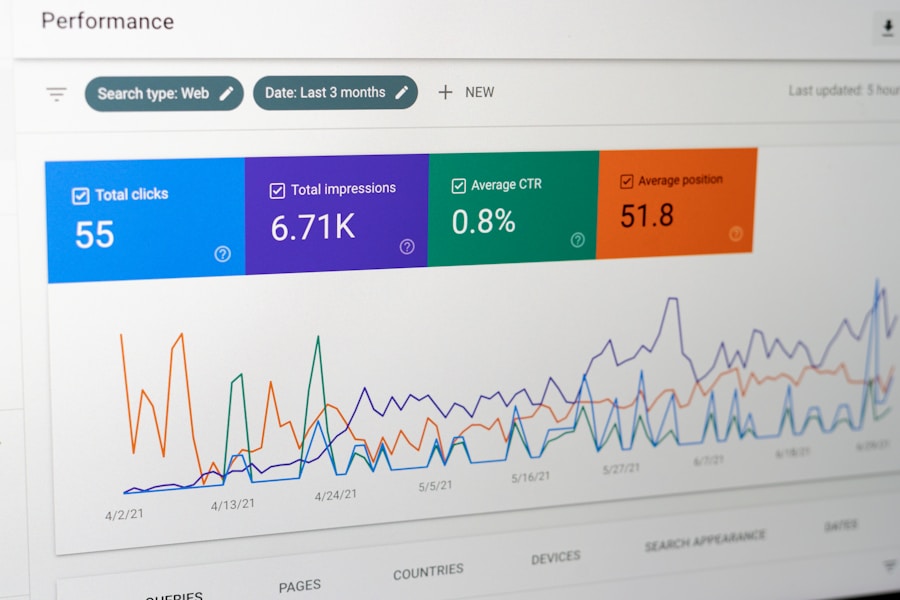
- Google Search Console: Another essential free tool from Google, Search Console helps you monitor your website’s performance in Google search results. It shows you which keywords you’re ranking for, any indexing errors, and provides data on clicks, impressions, and CTR.
- Competitor Analysis: Regularly analyze your competitors’ SEO strategies. What keywords are they ranking for? Where are they getting their backlinks? This can provide valuable insights and identify opportunities for your own strategy.
Adapting to Algorithm Updates: Staying Ahead of the Curve
- Staying Informed: Follow reputable SEO blogs and news sources to stay updated on algorithm changes and industry best practices. Google frequently updates its algorithms, sometimes minor, sometimes major (core updates).
- Flexibility and Experimentation: Don’t be afraid to experiment with different strategies and adapt your approach based on your data and industry trends. What works today might need refinement tomorrow.
Local SEO: Connecting with Your Local Audience
If your business serves a specific geographic area, local SEO is paramount. It focuses on optimizing your online presence to attract local customers, much like putting a prominent sign outside your brick-and-mortar store so people in the neighborhood can find you.
Google My Business Optimization: Your Local Hub
- Claim and Optimize Your Listing: Your Google My Business (GMB) profile is often the first point of contact for local searchers. Ensure your listing is fully claimed, verified, and optimized with accurate business information, operating hours, photos, and services.
- Encourage Reviews: Positive customer reviews are a powerful ranking factor for local SEO and build trust with potential customers. Encourage satisfied customers to leave reviews on your GMB profile. Respond professionally to all reviews, positive or negative.
- Consistent NAP Information: “NAP” stands for Name, Address, Phone Number. Ensure your business’s NAP information is consistent across all online directories (your website, GMB, Yelp, Facebook, etc.). Inconsistencies can confuse search engines and harm your local rankings.
Local Citations and Directories: Building Local Authority
- Local Directories: List your business in relevant local directories such as Yelp, Yellow Pages, and industry-specific directories. These provide valuable local citations.
- Local Content: Create content that is relevant to your local community. This could include blog posts about local events, guides to local attractions, or news specific to your service area.
By systematically working through this checklist, you will establish a robust foundation for your SEO efforts. Remember, SEO is a journey, not a destination. Consistent effort, a willingness to learn, and a user-centric approach will be your greatest allies in achieving long-term visibility and success in the competitive digital landscape. Begin with these steps, measure your progress, and continue to refine your strategy as you gain experience and insight.
FAQs
What is SEO?
SEO stands for Search Engine Optimization, which is the practice of increasing the quantity and quality of traffic to your website through organic search engine results.
Why is SEO important for a website?
SEO is important for a website because it helps to improve the visibility of the site in search engine results, which in turn can lead to increased traffic and potential customers.
What are the essential elements of SEO?
The essential elements of SEO include keyword research, on-page optimization, off-page optimization, technical SEO, and content creation.
How can a beginner start mastering SEO?
A beginner can start mastering SEO by learning the basics of keyword research, on-page optimization, and off-page optimization, and by staying updated with the latest trends and best practices in the industry.
What are some common SEO mistakes to avoid?
Some common SEO mistakes to avoid include keyword stuffing, using irrelevant keywords, neglecting mobile optimization, and ignoring the importance of high-quality content.