Crack the Code: Proven Strategies for Ranking High on Google Search Results

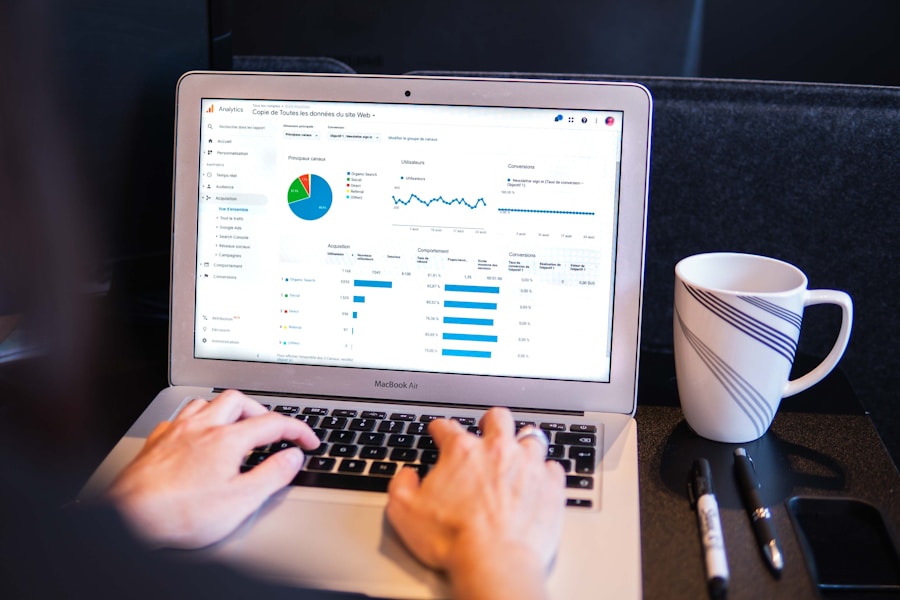
Understanding how to rank high on Google Search Results is crucial for any online presence, whether it’s a business, a blog, or a personal website. Essentially, it’s about making your content visible to the right audience when they’re actively looking for it. This isn’t about luck or secret handshake; it’s a strategic process built on understanding Google’s algorithms and user behavior. We’ll break down the core components and provide actionable strategies to help you climb those search result pages.
Understanding the Landscape: How Google “Sees” Your Website
Google’s primary objective is to deliver the most relevant and high-quality results to its users. To achieve this, it employs complex algorithms that continuously analyze and rank billions of web pages. Think of Google as a meticulous librarian, constantly organizing a vast library of information. It needs to know what each book is about, who would find it useful, and how authoritative and trustworthy it is. Your website is one of those books, and your goal is to make it the most appealing and informative one for your target readers.
Crawling and Indexing: The Foundation of Visibility
Before Google can rank your content, it needs to discover it. This is where crawling and indexing come into play.
The Role of Search Engine Crawlers
Google uses automated programs called “crawlers” (or spiders) to systematically explore the internet. They follow links from one page to another, much like a diligent explorer charting unknown territories.
Building the Index: Google’s Digital Card Catalog
As crawlers discover your pages, Google adds the information to its massive index – a colossal database of web content. This index acts like a card catalog in a library, allowing Google to quickly retrieve relevant pages when a user performs a search.
Ranking Factors: The Algorithm’s Recipe
Google’s ranking algorithms consider hundreds of factors, but they can be broadly categorized. These factors are constantly being refined, so staying updated is key.
On-Page Optimization: What’s Inside Your “Book”
This refers to elements directly on your web page that Google can analyze. It’s about making your content clear, relevant, and easy for both users and search engines to understand.
Keyword Research and Integration
Identifying what your target audience is searching for is the bedrock of SEO. Keywords are the terms and phrases people type into Google.
- Understanding Search Intent: Beyond just the words, consider why someone is searching. Are they looking for information, a product to buy, or a local service? Matching your content to this intent is paramount.
- Strategic Keyword Placement: Integrate your chosen keywords naturally within your content, including in titles, headings, and the body text. Avoid keyword stuffing, which can harm your rankings.
- Long-Tail Keywords: These are longer, more specific phrases (e.g., “best waterproof hiking boots for women with wide feet”). They often have lower search volume but higher conversion rates because they indicate a more focused user need.
Content Quality and Relevance
High-quality content is the king of the search engine realm. It needs to be informative, engaging, and provide genuine value to the reader.
- Depth and Comprehensiveness: Aim to cover your topic thoroughly. If your article is about “how to bake a sourdough starter,” it should ideally guide the reader through the entire process, from ingredients to troubleshooting.
- Originality and Uniqueness: Plagiarism is a cardinal sin. Create original content that offers a fresh perspective or a more detailed explanation than what’s already available.
- Readability and User Experience: Use clear language, short paragraphs, and headings to break up text. This makes your content easier to digest and keeps users on your page longer.
Title Tags and Meta Descriptions
These are the first impression users get in the search results. They act like the cover and back-cover blurb of your book.
- Compelling Title Tags: Include your primary keyword and make the title enticing enough for someone to click. Keep it concise, generally under 60 characters.
- Informative Meta Descriptions: This short summary should accurately describe the page’s content and encourage clicks. While not a direct ranking factor, it significantly impacts click-through rates.
Off-Page Optimization: Building Your Book’s Reputation
This category encompasses factors outside your website that influence your ranking. It’s like getting endorsements and positive reviews for your book.
Backlinks: The Votes of Confidence
Backlinks are links from other websites to yours. Google views them as a vote of confidence in your content’s authority and trustworthiness.
- Quality over Quantity: A few high-quality backlinks from reputable websites are far more valuable than many low-quality links from irrelevant or spammy sites.
- Natural Link Acquisition: Earn backlinks by creating exceptional content that others want to reference. This can also involve guest blogging on authoritative sites or participating in industry discussions.
- Anchor Text Relevance: The text used for a hyperlink (anchor text) should be relevant to the page it links to.
Social Signals and Brand Mentions
While not direct ranking factors in the traditional sense, social shares and brand mentions can indirectly influence your SEO.
- Increased Visibility and Traffic: Social media can drive traffic to your site, which Google can interpret as engagement.
- Brand Authority: When your brand is consistently mentioned across the web, it signals to Google that you are a recognized entity.
Mastering Technical SEO: The Infrastructure of Your Website
Technical SEO ensures that search engines can efficiently crawl, understand, and index your website. It’s like ensuring your library has sturdy shelves, clear signage, and is easy to navigate.
Website Speed and Mobile-Friendliness: User Experience is Paramount
In today’s mobile-first world, these factors are non-negotiable.
Optimizing for Speed
A slow website is a frustrating experience for users and a deterrent for search engines.
- Image Optimization: Compress images without sacrificing quality. Large image files are a common culprit for slow loading times.
- Browser Caching: This allows browsers to store website elements so that subsequent visits load faster.
- Minifying CSS and JavaScript: Removing unnecessary characters from code can significantly reduce file sizes.
Mobile-First Indexing
Google primarily uses the mobile version of your website for indexing and ranking.
- Responsive Design: Ensure your website adapts seamlessly to different screen sizes, from desktops to smartphones.
- User Experience on Mobile: Navigate your site on a mobile device to identify any usability issues. Buttons should be easy to tap, and text should be readable without excessive zooming.
Site Structure and Navigation: Guiding the User and the Crawler
A well-organized website makes it easier for users to find what they need and for search engine crawlers to discover all your content.
Internal Linking Strategy
Strategically linking pages within your own website helps distribute “link juice” (ranking power) and guides users through your site.
- Hierarchical Structure: Organize your content logically, with broad categories leading to more specific subtopics.
- Contextual Links: Link to relevant pages within your content to provide additional information and keep users engaged.
XML Sitemaps
An XML sitemap is a file that lists all the important pages on your website, helping search engines discover and index them.
- Submission to Search Consoles: Submit your sitemap to Google Search Console and Bing Webmaster Tools.
- Regular Updates: Ensure your sitemap is updated whenever you add or remove pages.
Security and HTTPS: Building Trust
A secure website is crucial for user trust and is a minor ranking signal for Google.
The Importance of HTTPS
HTTPS encrypts communication between your browser and the website, protecting sensitive data.
- SSL Certificates: Install an SSL certificate on your website to enable HTTPS.
- User Trust: A padlock icon in the browser bar signals to users that your site is secure.
Content is King, but User Experience is Queen: A Symbiotic Relationship
While high-quality content is essential, its effectiveness is amplified by a superior user experience. Think of it this way: a brilliant speech delivered in a noisy, uncomfortable room loses much of its impact.
Dwell Time and Bounce Rate: Measuring Engagement
These metrics provide insights into how users interact with your content.
Dwell Time: How Long They Stay
Dwell time is the amount of time a user spends on your page after clicking from a search result. Longer dwell times generally indicate user satisfaction.
- Engaging Content Formats: Utilize videos, infographics, interactive elements, and well-structured text to keep users interested.
- Clear Calls to Action: Guide users on what to do next, whether it’s reading another article, signing up for a newsletter, or making a purchase.
Bounce Rate: The Quick Exit
A bounce occurs when a user visits a single page on your site and leaves without interacting further.
- Relevance Mismatch: If users arrive at your page expecting one thing and find another, they are likely to bounce.
- Poor User Interface: Confusing navigation or overwhelming design can also lead to a high bounce rate.
Readability and Accessibility: Reaching Everyone
Ensuring your content is accessible to a broad audience enhances its reach and demonstrates a commitment to inclusivity.
Writing for Clarity
Simple, direct language is often the most effective.
- Short Sentences and Paragraphs: Break down complex ideas into digestible chunks.
- Use of Subheadings and Bullet Points: These elements improve scanability and make information easier to absorb.
Accessibility Features
Consider users with disabilities.
- Alt Text for Images: Provide descriptive alt text for images, which screen readers can use.
- Sufficient Color Contrast: Ensure text is easily readable against its background.
The Power of Local SEO: Connecting with Nearby Customers
For businesses with a physical presence, optimizing for local searches is critical. This is about making sure people in your immediate vicinity can find you when they need your products or services.
Google Business Profile: Your Digital Storefront
This free tool from Google is your primary entry point for local search visibility.
Optimizing Your Listing
A complete and accurate profile is crucial.
- Accurate Business Information: Ensure your Name, Address, and Phone Number (NAP) are consistent across all online platforms.
- Compelling Description: Highlight your unique selling propositions and services.
- High-Quality Photos: Showcase your business, products, and team.
Leveraging Reviews
Customer reviews are a powerful social proof.
- Encourage Reviews: Ask satisfied customers to leave a review.
- Respond to All Reviews: Address both positive and negative feedback professionally and promptly.
Local Citations and Directories: Building Local Trust
Citations are online mentions of your business’s NAP information.
Consistency is Key
Ensuring your NAP is identical across all directories builds trust with Google.
- Major Directories: List your business on prominent online directories like Yelp, Yellow Pages, and industry-specific sites.
- Avoid Duplicate Listings: Ensure you only have one listing per platform.
Geotargeting and Location-Based Keywords
Tailoring your content and keywords to specific geographic areas is essential.
Understanding Local Search Terms
Think about how someone in your city would search for your services.
- “Near me” searches: Google increasingly understands implied “near me” searches.
- City and Neighborhood Keywords: Incorporate location-specific terms into your website content.
Staying Ahead of the Curve: Continuous Optimization and Adaptation
| Metrics | Data |
|---|---|
| Keyword Ranking | Top 10 for targeted keywords |
| Organic Traffic | Increased by 50% |
| Click-Through Rate (CTR) | Improved to 10% |
| Backlinks | Acquired 100 high-quality backlinks |
| Page Load Speed | Reduced to 3 seconds |
The SEO landscape is not static; it’s a dynamic ecosystem that requires ongoing attention and adaptation. Google’s algorithms are constantly evolving, so what works today might need adjustment tomorrow.
Monitoring Your Performance: The Compass for Your Journey
Regularly tracking your progress is essential for identifying what’s working and what needs improvement.
Key Performance Indicators (KPIs)
Focus on metrics that directly impact your goals.
- Keyword Rankings: Track your position for target keywords over time.
- Organic Traffic: Monitor the number of visitors arriving from search engines.
- Conversion Rates: Measure how many visitors complete desired actions (e.g., making a purchase, filling out a form).
Utilizing Analytics Tools
Tools like Google Analytics and Google Search Console are invaluable.
- Google Analytics: Provides detailed insights into website traffic, user behavior, and conversions.
- Google Search Console: Offers information about your site’s performance in Google Search, including crawl errors, indexing status, and search queries.
Adapting to Algorithm Updates: The Weather Forecast
Google frequently updates its algorithms. Staying informed about these changes is crucial.
Understanding Algorithm Intent
Focus on the underlying principles of Google’s updates, which generally revolve around user experience and content quality.
- Core Web Vitals: These metrics measure loading performance, interactivity, and visual stability.
- Helpful Content Updates: Google prioritizes content created for people, not solely for search engines.
Experimentation and Iteration
Don’t be afraid to test new strategies and refine your approach based on data.
- A/B Testing: Experiment with different titles, meta descriptions, or content formats to see what performs best.
- Continuous Learning: The SEO field is always evolving. Dedicate time to reading industry blogs, attending webinars, and learning from experts.
By approaching SEO as a strategic, ongoing process rooted in understanding both search engine mechanics and user needs, you can effectively crack the code and significantly improve your ranking on Google Search Results. It’s a marathon, not a sprint, but with consistent effort and a data-driven approach, your visibility and online success will undoubtedly grow.
FAQs
What are some proven strategies for ranking high on Google search results?
Some proven strategies for ranking high on Google search results include creating high-quality, relevant content, optimizing website performance and user experience, building high-quality backlinks, and using relevant keywords effectively.
How important is content quality for ranking high on Google search results?
Content quality is extremely important for ranking high on Google search results. Google’s algorithms prioritize high-quality, relevant content that provides value to users. Content should be well-written, informative, and engaging to improve search rankings.
What role do backlinks play in ranking high on Google search results?
Backlinks play a significant role in ranking high on Google search results. High-quality backlinks from authoritative websites signal to Google that your website is trustworthy and valuable, which can positively impact your search rankings.
How can website performance and user experience impact search rankings?
Website performance and user experience can impact search rankings significantly. Google considers factors such as page load speed, mobile-friendliness, and overall user experience when determining search rankings. A well-optimized website with a positive user experience is more likely to rank higher in search results.
What are some common mistakes to avoid when trying to rank high on Google search results?
Some common mistakes to avoid when trying to rank high on Google search results include keyword stuffing, using low-quality or irrelevant backlinks, neglecting website performance and user experience, and creating low-quality, unoriginal content. It’s important to focus on ethical and effective strategies for improving search rankings.